

- Cardiovascular medicines
On this page
A medicines formulary is an agreed list of medicines and their approved indications and restrictions.
The formulary will establish a statewide approach to medicines governance and a single evidence-based list of medicines for use in Victorian public hospitals and health services.
This formulary aims to:
- improve the safety and quality use of medicines
- support more equitable access to medicines
- reduce unnecessary variation in prescribing and medicines use
- strengthen statewide medicines governance and coordination across Victoria.
Why the formulary is important
A statewide medicines formulary will support safer and more consistent use of medicines and more equitable access to evidence-based treatment across Victoria.
Victoria is currently the only Australian jurisdiction without a statewide medicines formulary. Different public hospitals and health services use different approved medicines lists, which can lead to variation in medicine access and care across the state.
How the formulary is being developed
Progress to date
Since 2025, we have been establishing the foundations for a statewide formulary.
Work to date includes:
- analysing existing health service formularies and medicines governance arrangements to inform the build and implementation of the formulary
- establishing cross-departmental governance to ensure coordinated support for formulary establishment
- developing the policy and governance foundations for the formulary
- formalising the partnership between Safer Care Victoria and HealthShare Victoria
- engaging with metropolitan, regional and rural health services to inform the design and implementation of the formulary
- progressing procurement of a statewide digital solution to manage and share formulary information.
For regular news and updates, please see the Latest news | Victorian Medicines Formulary.
Where we are now
The formulary has moved from early planning and design into development and preparation for implementation.
Work ahead includes:
- developing the baseline formulary medicines list and how medicines will be assessed for inclusion
- establishing the formulary’s clinical governance bodies
- procuring and developing the digital solution that will manage and share formulary information
- working with public health services and clinicians to inform the design and implementation of the formulary
- preparing the support health services will need as the formulary is introduced.
Developing and introducing the formulary in stages
The formulary will be developed and introduced in stages, with medicines reviewed in a series of clinical tranches.
With each tranche, we will work with clinical experts and health services to develop the formulary and prepare for implementation.
The first tranche will be cardiovascular medicines, as the pilot tranche to test and refine formulary implementation processes.
This staged approach allows the processes and support for implementation to be tested and refined as the formulary is introduced.
The clinical areas for tranches 2-5 are proposed and may be refined based on expert advice, consultation and system readiness. each tranche will inform the approach to later stages.
Clinical tranches
-
 Tranche 1Commences 2027
-
 Tranches 2-5From 2027
- Respiratory medicines
- Systemic hormones
- Endocrinology
- Nervous system
- Musculoskeletal system
- Dermatological
- Alimentary tract
- Antineoplastic and immunomodulating agents
- Anti-infectives
- Sensory organs
Stages of development
-
 1. DevelopReview medicines and establish listings.
-
 2. PreparePlan for implementation and support health services.
-
 3. ImplementIntroduce tranches and support adoption.
-
 4. Learn and refineMonitor, evaluate and apply learnings.
Engagement and consultation
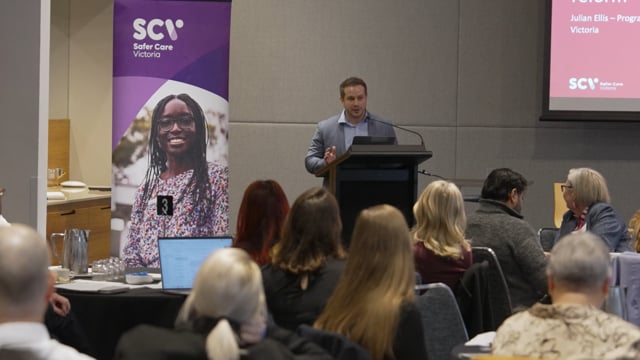
Input from Victoria's public health services and clinicians is helping shape the formulary.
During 2026, we engaged with metropolitan, regional and rural health services.
Engagement will continue as the formulary is developed. Health services, clinicians and subject matter experts will have opportunities to contribute to relevant areas of work.
What we heard
Community engagement
Patient, carer and community perspectives are important to understanding people’s experiences of accessing and using medicines.
These perspectives will continue to inform the development and implementation of the formulary, including through consumer representation on the Clinical Council.
We will provide more information about how patients, carers and the community can contribute as this work progresses.
Frequently asked questions
Which health services will use the formulary?
View more View lessThe formulary is intended for Victorian public health services established under the Health Services Act 1988 including public hospitals, denominational hospitals, public health services and multipurpose services.
Will services need to stock every medicine on the formulary?
View more View lessNo. Having a medicine on the formulary does not mean every health service must stock or use it.
Health services will continue to consider their local service capability, clinical expertise, patient needs and models of care when deciding which formulary medicines they stock.
During development, what happens to local formularies?
View more View lessExisting local formularies will remain the source of information for clinicians while the statewide formulary is progressively developed and introduced.
As each tranche is completed, health services will transition relevant parts of their local formularies to reflect the statewide formulary.
How will medicines be assessed for inclusion on the formulary?
View more View lessThe Clinical Council will consider evidence and expert advice when making recommendations about medicines for the formulary.
Considerations include clinical effectiveness, safety, equity of access, implementation and health system impacts, and value.
Will the formulary connect with existing digital systems?
View more View lessThe initial focus is on establishing a central digital source for formulary information.
Future connections with electronic medical records and other clinical systems will need to take account of the different digital systems used across Victorian public health services.
Learn more

Governance and clinical leadership
Learn how the formulary will be supported by statewide clinical governance that brings together expertise from across Victoria's public health system.
Learn moreContact us
For questions or feedback, please email: medicinesformulary@safercare.vic.gov.au.