
Change concept
Provide every family with an Asthma Action Plan and teach-back education
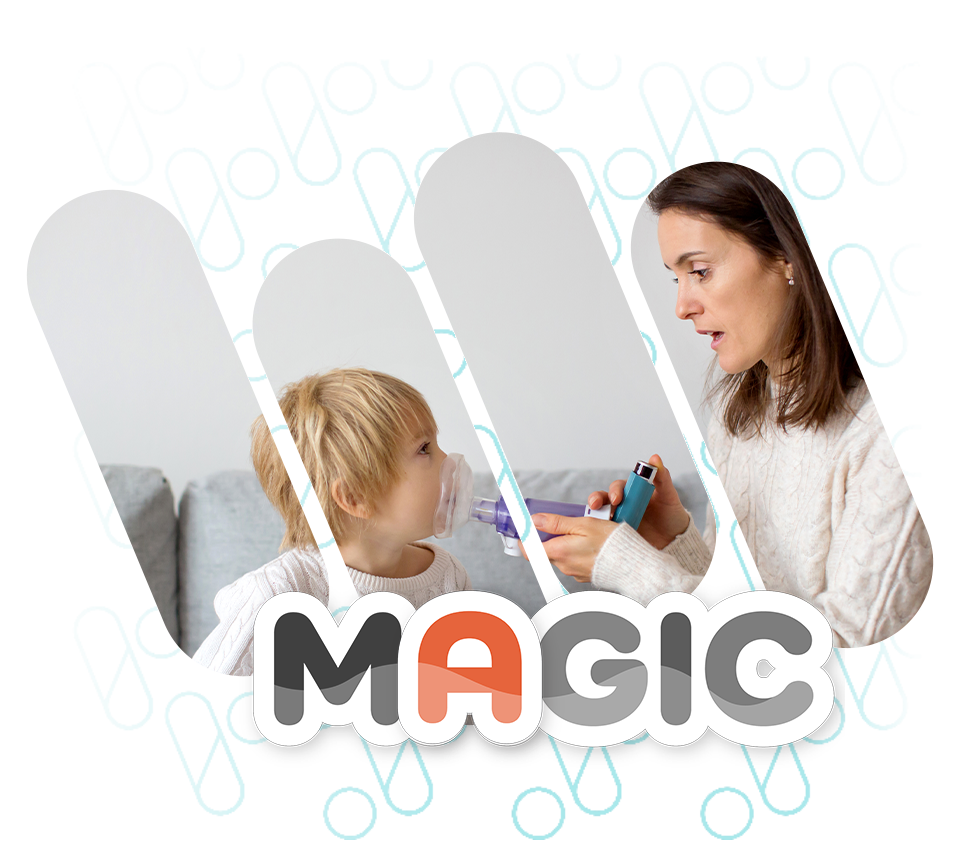
Asthma Action Plans (AAPs) help families manage asthma at home and reduce emergency visits. However, they only work if families understand and use them correctly. Teach-back education ensures families repeat instructions in their own words and confirm their understanding before they leave the hospital.
“Everything was explained really well to us. We were shown how to use a spacer and how to follow the action plan as well.”
-Family testimony from the ICAM collaborative
Change ideas
Make Asthma Action Plan provision routine
- Adopt a single AAP format across your service to avoid confusion. Multiple versions can lead to mixed messages for families and clinicians.
- Provide translated AAPs and culturally appropriate resources for families who speak languages other than English.
- Include AAP provision in discharge checklists and electronic medical record (EMR) prompts so it becomes a mandatory step
Asthma Australia have excellent plans you can use in your health services:
Embed teach-back into practice
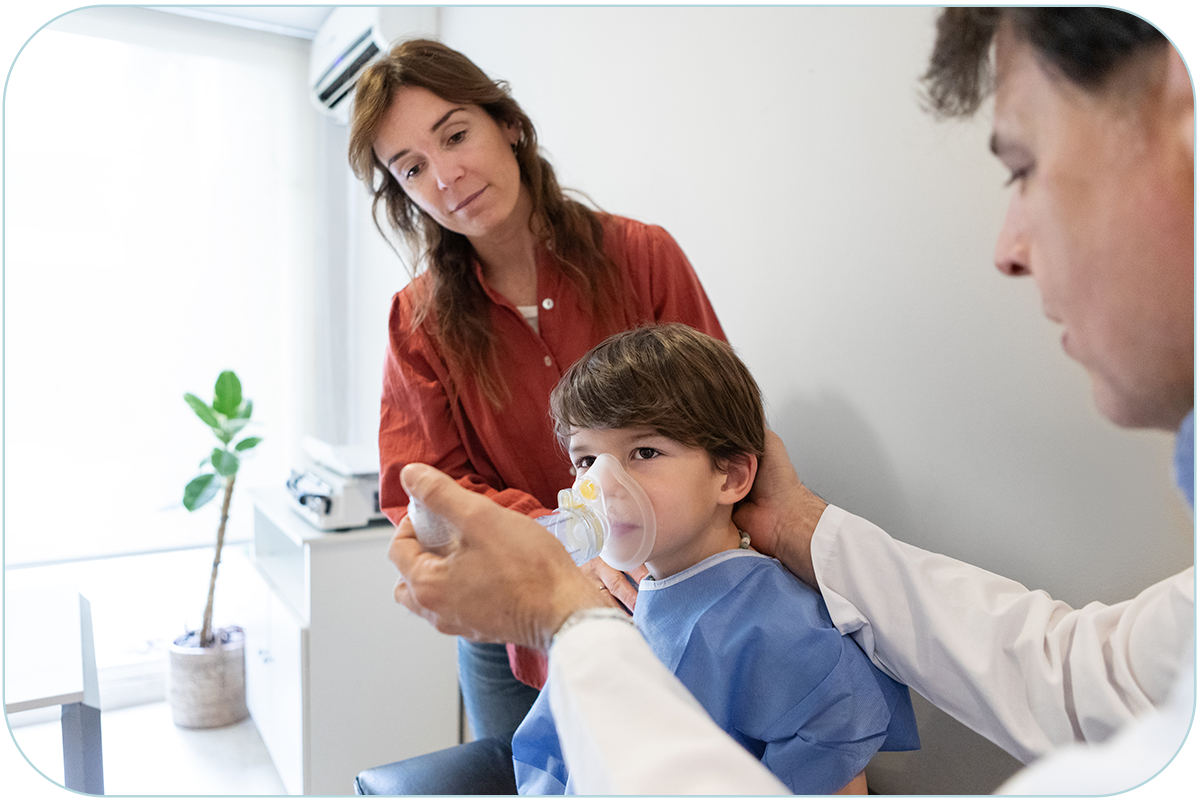
Teach-back is a proven method for checking understanding. It ensures families repeat instructions in their own words and confirm their understanding before they leave the hospital.
- Train clinicians to ask families to explain the plan in their own words.
- Incorporate teach-back into standard procedures and clinical guidelines so it’s expected, not optional
- Add reminders in EMR systems or paper checklists to confirm teach-back has been completed.
- Begin education during admission, not just at discharge, to reduce time pressure and improve engagement.
Find information and learning modules about the teach-back communication tool.
Support staff and families
- Create a central resource hub with AAP templates and education materials.
- Regularly provide AAP and teach-back training for new and existing staff
- Use visual aids and QR codes linking to videos and pictorial guides to make education easier for families.
- Co-design resources with families to ensure they are practical, clear, and culturally appropriate.
Watch the Asthma action plan and asthma first aid video | Royal Children's Hospital.
Measuring this change
Health services should routinely measure whether children and families leave hospital with a demonstrated understanding of their asthma action plan.
This includes confirming that teach‑back education was provided at the time the plan was given. Reviewing whether testing is increasing the proportion of families who receive both an asthma action plan and teach‑back education helps determine whether changes are working.
This can be assessed by sampling medical records for children who attend the emergency department or are admitted for asthma care. Clear documentation that an asthma action plan was provided, and teach‑back education was completed should be counted as a positive outcome.
What to do
- Establish a baseline by reviewing recent asthma discharges.
- Regularly sample ED or ward records to confirm action plan provision and teach‑back education.
- Track results over time to assess whether changes are improving practice.
What to measure
Numerator: Families leaving with an asthma action plan and completing teach-back education.
Denominator: Families who present to ED or ward for asthma management.
Lessons from applying MAGIC in practice
Barriers and enablers
Common barriers included:
- time pressures during discharge made teach-back difficult
- junior staff lacked confidence in asthma education
- multiple AAP versions within the same service caused confusion for families
- limited access to translated plans and culturally appropriate resources.
Common enablers included:
- early education during admission, not just at discharge
- visual prompts and bedside tools to support teach-back
- standardising AAP format across wards and departments
- ongoing staff education and clear protocols.
Case study: Embedding teach-back for AAPs in ED
An emergency department trialled a structured approach to teach-back education for asthma discharge. They introduced:
- laminated bedside guides with key questions for teach-back
- a centralised folder with AAP templates and referral resources
- QR codes linking to asthma education videos.
They found that this approach:
- improved staff confidence and consistency in asthma education
- reduced confusion about medication timing and AAP use
- saw families report better understanding of their child’s asthma care.
Lessons learned
- Standardised resources reduce variability.
- Teach-back education works best when supported by visual prompts.
- Educating children and families during admission improves engagement.