
Change concept
Ensure families leave hospital knowing how to use inhalers and spacers correctly
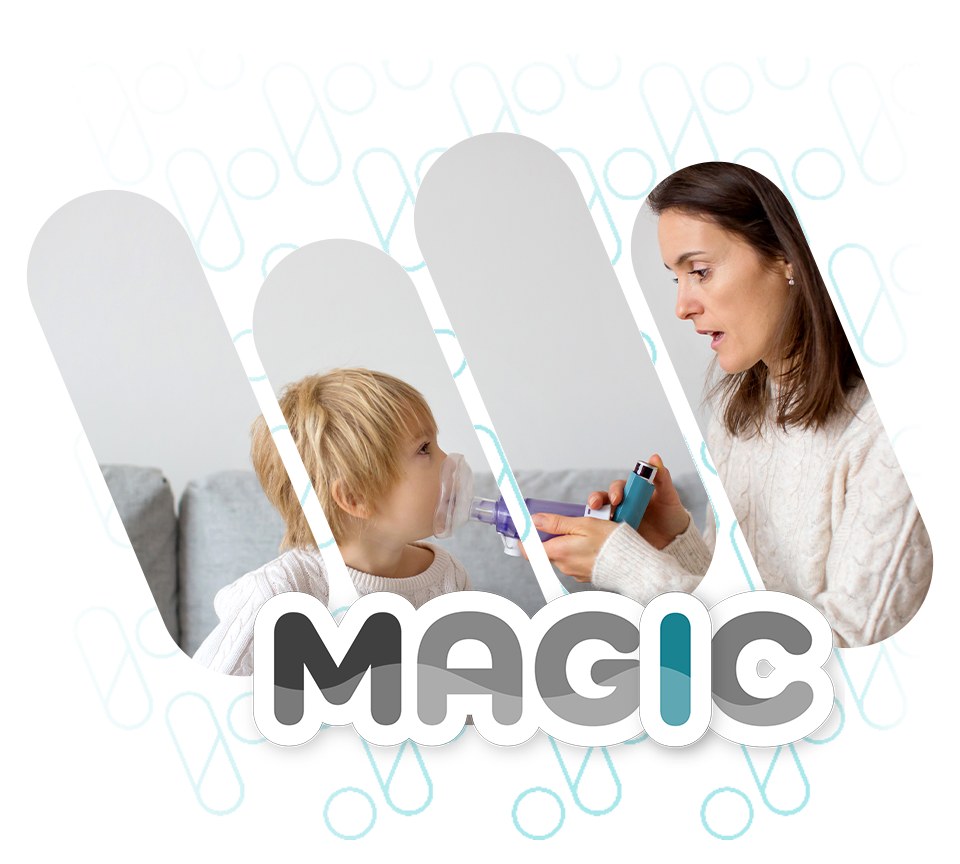
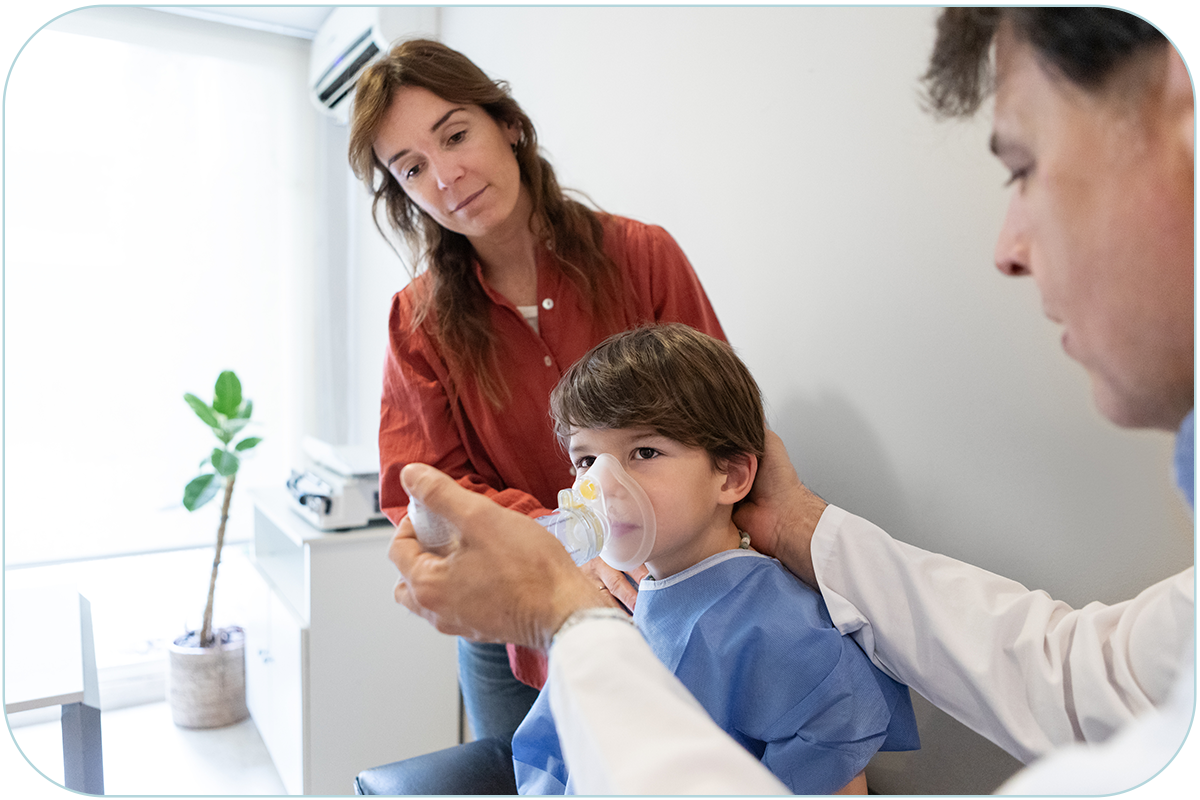
Correct inhaler and spacer technique is essential for asthma medications to work effectively. Many families and children struggle with using these devices properly. Providing families with high-quality teach back education and resources allows them to leave hospital confident in their technique and equipped to maintain it at home.
“I really appreciated all the education…It’s always great to be reassured on if I’m following the right spacer techniques.”
-Family testimony from the ICAM collaborative
Change ideas
Allocate time for education and teach-back
- Train staff in teach-back and “show me” method to confirm families can demonstrate correct technique.
- Provide access to demonstration tools and videos for consistent education.
- Embed inhaler technique checks into standard operating procedures and discharge workflows.
Partner with consumers to choose the right resources
- Involve families in selecting and testing educational materials to ensure they are clear and practical.
- Use consumer feedback to refine resources and improve accessibility.
- Include visual aids, QR codes, and translated materials for diverse communities.
Key resources
Inhaler and spacer techniques
Royal Children's Hospital – Asthma videos
These videos teach families and carers how to use inhalers and spacers correctly.
Teach-back education
Teach-back information and training
Find information and learning modules about the teach-back communication tool.
Measuring this change
Health services should measure whether children and families leave hospital able to correctly use their inhaler and spacer.
This can be assessed by reviewing ED or ward records to confirm teach‑back education was completed. Documented teach‑back indicates a positive outcome.
What to do
- Establish your baseline by reviewing recent asthma discharges.
- Identify how often children left with teach-back education for inhaler technique.
- Conduct a regular (ideally weekly) review of a small sample of ED or ward asthma presentations to check whether teach-back on inhaler technique was completed.
- Track results over time to see whether your tests are leading to improvement.
What to measure
Numerator: Families who received teach-back education on inhaler and spacer technique.
Denominator: Families who present to ED or admitted to ward for asthma management.
Lessons from applying MAGIC in practice
- Regular, structured training builds staff confidence and consistency.
- Visual tools like videos enhance both teaching and family understanding.
- QR codes in discharge materials make education accessible beyond hospital.
- A unified approach to AAPs and first aid forms reduces confusion.
- Informal teaching opportunities during handovers or breaks can be highly effective.
- Integrating resources into hospital systems supports sustainability.
Barriers and enablers
Common barriers included:
- inconsistent education that was not embedded as standard practice
- time pressures in emergency departments limiting opportunities for high-quality education
- lack of age-specific and translated resources.
Common enablers included:
- integrating teach-back into discharge processes
- high-quality resources such as Royal Children’s Hospital videos
- QR codes in discharge materials to encourage further education:
- while they wait at hospital
- at home.
- co-designing resources with consumers
- community programs and virtual clinics (e.g. Victorian Virtual Emergency Department) for additional education opportunities.
Case study: Embedding teach-back and inhaler technique education
A metropolitan health service trialled a structured approach to improve asthma discharge education by embedding teach-back and standardising inhaler and spacer training.
This approach involved:
- introducing weekly in-service training for nursing and medical staff in ED and paediatric wards
- using interactive demonstrations and Royal Children’s Hospital asthma videos
- developing a lesson plan covering AAPs, inhaler technique, and teach-back
- creating a centralised asthma resource folder and added QR codes to discharge materials
- embedding a consumer feedback survey and MAGIC discharge checklist into the hospital’s clinical documentation system.
As a result, the health service reported:
- improved staff confidence and consistency in asthma education
- improved understanding of inhaler technique and asthma management among families.